Why Use a Safety Lockout Box for Workplace Safety?

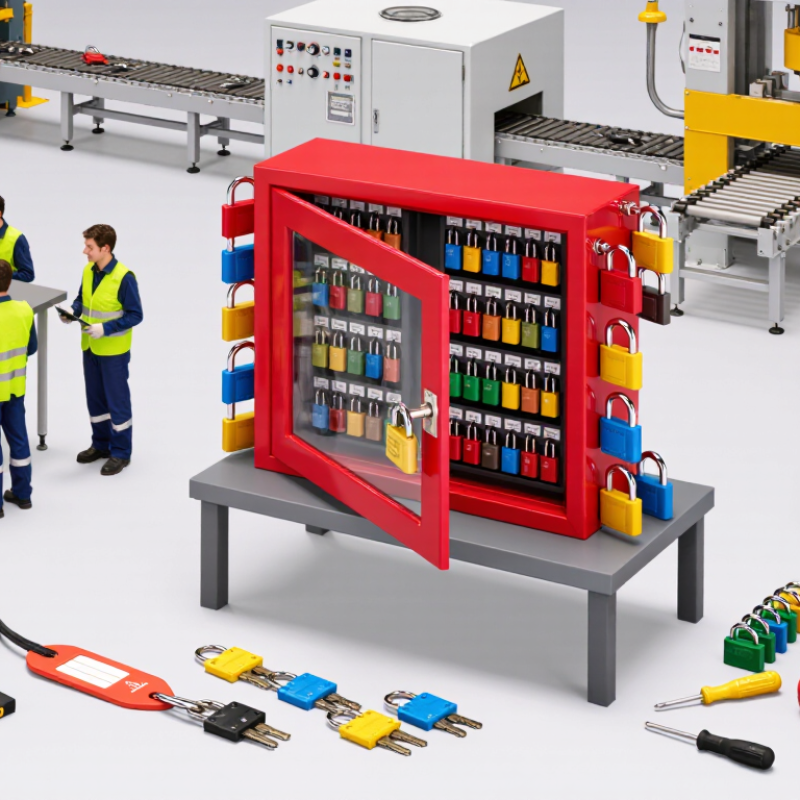
A Safety Lockout Box provides a controlled way to manage energy-isolation keys during equipment maintenance. It supports lockout/tagout procedures by keeping keys visible, organized, and accessible only to authorized workers. This matters when several technicians service one machine, especially near conveyors, presses, pumps, or electrical panels.

Picture a maintenance team preparing a packaging line at 6:30 a.m. Each worker applies a personal lock to the box after the energy sources are isolated. The equipment cannot restart until every worker removes their lock. This simple physical barrier helps teams confirm who remains exposed to stored energy. It also creates a clear checkpoint for supervisors, safety managers, and maintenance leaders.

A box is not a complete safety program. It cannot replace hazard assessments, worker training, equipment-specific procedures, or effective communication. That limitation deserves attention. In rushed workplaces, people may treat the box as a shortcut rather than one part of a verified process. Experienced safety professionals should inspect the arrangement, confirm isolation points, and review the procedure after changes or near misses.

Reliable lockout practices depend on consistent behavior. Workers need durable labels, readable instructions, and locks that fit the box correctly. Supervisors should document inspections and address damaged hardware immediately. Manufacturers and recognized safety guidance can help organizations choose suitable equipment, but local requirements still need careful review. Used thoughtfully, a Safety Lockout Box strengthens accountability and makes hazardous energy control easier to see, check, and trust.
Why Use a Safety Lockout Box for Workplace Safety?

What a Safety Lockout Box Is and How It Works

Why Use a Safety Lockout Box for Workplace Safety?

A safety lockout box is a controlled container for keys used during equipment isolation. It supports group lockout procedures when several workers service one machine. An authorized worker first identifies electrical, hydraulic, pneumatic, thermal, or mechanical energy sources. The equipment is then shut down, isolated, and verified. Each worker places a personal lock on the box before starting work. The machine cannot restart until every personal lock is removed.

This process creates a visible chain of control. A supervisor can see who remains exposed without relying on memory or verbal updates. Inside the box, the primary isolation keys remain inaccessible during maintenance. Tags can identify the equipment, isolation date, and responsible workers. According to the U.S. Occupational Safety and Health Administration, effective lockout/tagout practices may prevent about 120 fatalities and 50,000 injuries annually. Those figures show why a simple box can support a serious energy-control system.

It is not foolproof. Poor training, unclear procedures, or a missing personal lock can still create danger. A worker should test for zero energy before touching the equipment, even when the box appears secure. Human assumptions cause problems. In real workplaces, worn locks, crowded key cabinets, and rushed shift changes deserve attention. OSHA’s Control of Hazardous Energy standard, 29 CFR 1910.147, also requires documented procedures, training, and periodic inspections. The box is only one part of that discipline.

Workplace Hazards Addressed by Safety Lockout Boxes

Why Use a Safety Lockout Box for Workplace Safety?

Workplace Hazards Addressed by Safety Lockout Boxes

Unexpected machine movement remains a serious workplace hazard during servicing. A conveyor may restart when a remote control receives a signal. A press can release stored force after power appears disconnected.

A safety lockout box keeps isolation keys together under controlled worker locks. The box cannot be opened until every personal lock is removed. This matters during team maintenance, shift changes, and complex shutdowns.

Electrical energy is only one concern. Pneumatic pressure, hydraulic force, steam, gravity, heat, and chemical flow can also injure workers.

A reliable lockout process identifies each energy source, isolates it, and verifies zero energy before work begins.

The box supports that process by holding keys from approved isolation points. Each authorized worker adds a personal lock.

Work should not resume until every lock is removed.

In real maintenance areas, labels fade, keys get misplaced, and workers hurry. A box is not magic.

A clear energy-control procedure, visible tags, training, and a try-start test still matter.

Supervisors should check whether isolation points match current equipment drawings. They should also review the process after near misses or equipment changes.

One weak detail can defeat the whole system. That uncomfortable truth deserves attention.

Key Components and Types of Lockout Boxes

A safety lockout box keeps isolation devices organized before maintenance begins. Its value depends on clear identification, strong construction, and easy access. A well-designed box usually includes padlocks, lockout hasps, warning tags, and labeled compartments. The cabinet should resist dust, impact, and repeated handling. Clear labels matter.

Common types suit different workplace conditions. A portable lockout box supports technicians moving between machines or work areas. A wall-mounted station keeps equipment visible near a maintenance entrance. For team maintenance, a group lockout box stores one key for each authorized worker. Electrical kits may include breaker locks and fuse covers. Pneumatic or hydraulic tasks need valve lockouts that match the equipment.

During a practical inspection, verify that every component fits the energy source. Each lock should identify its assigned worker. Tags should record the hazard and isolation date. A frequent weakness is storing incompatible devices together. That small gap can delay isolation. Procedures also need regular review because machinery and staffing change. No system is perfect. Listening to workers often reveals missing adapters, unclear labels, or boxes placed too far from the equipment.

How to Use a Safety Lockout Box Step by Step

Why Use a Safety Lockout Box for Workplace Safety?

How to Use a Safety Lockout Box Step by Step

A safety lockout box helps control hazardous energy during maintenance. It keeps equipment keys inside while each authorized worker adds a personal lock. This arrangement prevents accidental startup when several people share one task. Before touching the equipment, review its energy-control procedure and identify electrical, hydraulic, pneumatic, thermal, and stored energy sources. Do not rely on a switch label alone.

Stop the equipment and inform affected employees. Shut down every energy source, then isolate the disconnects, valves, or breakers. Place the keys inside the lockout box. Each authorized worker attaches a personal lock and identification tag to the box. Release stored pressure, block moving parts, and test the controls. A qualified person should verify zero energy with suitable testing equipment. The test step is easy to rush. Do not.

Tips: Photograph valve positions before shutdown. Keep the box visible near the work area. Check that every worker has removed their lock before reopening energy sources. If one lock remains, stop and follow the site’s removal procedure. Never remove another person’s lock casually.

After the work, inspect guards, tools, and personnel positions. Confirm that all workers are clear, then remove personal locks according to the written procedure. Remove the isolation devices and restore energy under controlled communication. A short shift change can create confusion, so record handovers and recheck the box contents. Mistakes often happen during “quick” repairs. Treat them like full maintenance jobs.

Why Use a Safety Lockout Box for Workplace Safety? - How to Use a Safety Lockout Box Step by Step
Step Purpose Required Action Typical Energy Sources Safety Verification Responsible Personnel Risk if Omitted
1 Prepare for shutdown Review the machine-specific energy control procedure, identify all energy sources, and notify affected employees before work begins. Electrical, mechanical, hydraulic, pneumatic, thermal, chemical, and gravitational energy. Confirm that the correct equipment, isolation points, and lockout devices have been identified. Authorized employee, with affected employees informed. High
Unexpected shutdowns or missed energy sources may expose workers to serious hazards.
2 Shut down the equipment Use the normal stopping procedure, such as the stop button, control switch, or operating control. Moving parts, motors, pumps, conveyors, fans, and powered tools. Verify that the equipment has stopped operating before isolation begins. Authorized employee. High
Improper shutdown may create additional hazards or damage equipment.
3 Isolate all energy sources Operate disconnect switches, circuit breakers, valves, blocks, or other energy-isolating devices. Do not rely on control circuits alone. Electrical supply, compressed air, hydraulic pressure, steam, gas, water pressure, and stored mechanical energy. Check that each identified isolating device is in the safe or off position. Authorized employee. Critical
Unisolated energy can cause unexpected startup, release, or movement.
4 Apply locks and tags Place a lock and tag on each energy-isolating device. For group work, place the keys inside the safety lockout box and have each worker attach a personal lock to the box. All hazardous energy identified during the preparation stage. Each worker confirms that their personal lock is securely attached and identifiable. Every authorized employee performing the work. Critical
A worker may be exposed if another person can remove the isolation protection.
5 Release or restrain stored energy Discharge capacitors, bleed pressure, drain fluids, lower suspended parts, block moving components, and secure any energy that could be restored. Pressure, gravity, springs, flywheels, elevated loads, heat, and electrical charge. Use gauges, visual checks, blocks, grounding methods, or other approved verification methods. Authorized employee. Critical
Stored energy may remain hazardous even after the main supply is isolated.
6 Verify zero energy Test the equipment controls and use appropriate test instruments to confirm that energy is absent. Return controls to the off position after testing. Electrical voltage, pressure, temperature, motion, and residual mechanical energy. Attempt a start-up from a safe position and verify test results. Electrical testing must be performed by a qualified person where required. Authorized employee; qualified person for electrical testing when applicable. Critical
Failure to verify may leave workers exposed to live or stored energy.
7 Perform the maintenance or servicing Begin work only after isolation and verification are complete. Keep the lockout box and personal locks under control throughout the job. Any hazardous energy that could be introduced by the equipment or connected systems. Monitor isolation conditions and stop work if energy is restored or conditions change. Authorized employees and supervisors as defined by the procedure. High
Changing conditions can invalidate the original energy-control assessment.
8 Inspect and restore service Remove tools and parts, reinstall guards, check that employees are in safe positions, and ensure each worker removes their own personal lock. Electrical, mechanical, hydraulic, pneumatic, thermal, and other connected energy. Conduct a final area inspection, notify affected employees, and restore energy using the approved procedure. Authorized employee or designated supervisor. High
Premature energization may injure personnel or damage equipment.
9 Review and improve the procedure Document problems, near misses, equipment changes, or procedural gaps. Retrain employees when duties or processes change. All hazardous energy types relevant to the task. Confirm that the written procedure remains accurate and that required inspections and training are current. Employer, safety coordinator, and authorized employees. Medium
Outdated procedures can allow recurring hazards and inconsistent lockout practices.
Why use a safety lockout box? A lockout box supports group lockout by keeping the keys to energy-isolating devices under controlled access while allowing every authorized worker to apply a personal lock. The equipment-specific energy-control procedure, employee training, and verification of zero energy remain essential; the box itself does not replace them.

Best Practices for Managing and Maintaining Lockout Boxes

Why Use a Safety Lockout Box for Workplace Safety?

Best Practices for Managing and Maintaining Lockout Boxes

A safety lockout box keeps locks, tags, hasps, and instructions together during equipment isolation. When tools are scattered, workers may waste time or choose the wrong device. A clearly labeled box near the maintenance area supports consistent control. Keep it visible, dry, and easy to reach. Do not improvise.

Assign one trained person to check the box at the start of each shift. Count every lock, tag, and accessory against the inventory sheet. Inspect cracked plastic, faded labels, bent hasps, and stiff locks. Replace damaged items immediately. A missing lock is not a minor shortage.

Each lock should have a unique identification number and an assigned user. Record who receives it, when it leaves, and when it returns. Use durable labels that remain readable after contact with oil or dust. Store instructions inside a sealed sleeve. Include equipment-specific isolation steps, energy sources, and emergency contacts, following approved workplace procedures and applicable requirements.

A common field lesson is simple: a clean box can hide poor habits. Workers may return tools without reporting damage. Supervisors should review the box during periodic audits and ask practical questions. Which device was used? Was every energy source verified? Were tags removed correctly? These checks can reveal gaps that paperwork misses. Review the arrangement after each incident, equipment change, or near miss. The box should support the procedure, not replace careful verification.

+1 450 449 9133
Contact us sale@rhythmachine.com