5 Tips for Choosing PC200 7 or PC300 8?
Choosing between the PC200-7 and PC300-8 is not simply a matter of selecting the larger excavator. The right decision depends on working conditions, production targets, transport limits, and long-term maintenance support. In this guide, we examine five practical tips for comparing PC200-7/PC300-8 machines in real jobsite situations. A contractor clearing a narrow urban lot may value control and lower operating pressure. A quarry team may need stronger digging performance, greater reach, and faster material movement.
The comparison should begin with measurable evidence, not attractive advertising. Check hydraulic response, engine condition, service records, undercarriage wear, and attachment compatibility. A machine with clean paint can still hide worn pins, leaking cylinders, or expensive pump problems. That detail matters.
Real experience also teaches caution. Fuel use changes with operator habits, soil resistance, idle time, and attachment weight. Published specifications are useful, but they cannot replace an inspection under load. A qualified technician should test swing movement, travel performance, hydraulic temperature, and abnormal noise. Some buyers focus too heavily on purchase price. That can be a costly mistake.
This article offers a balanced framework for choosing between these two excavator classes. It considers productivity, ownership cost, jobsite access, reliability, and resale potential. The final choice may not be obvious. That is acceptable. A careful decision often requires comparing imperfect machines, uncertain workloads, and incomplete records. Their real condition matters most.
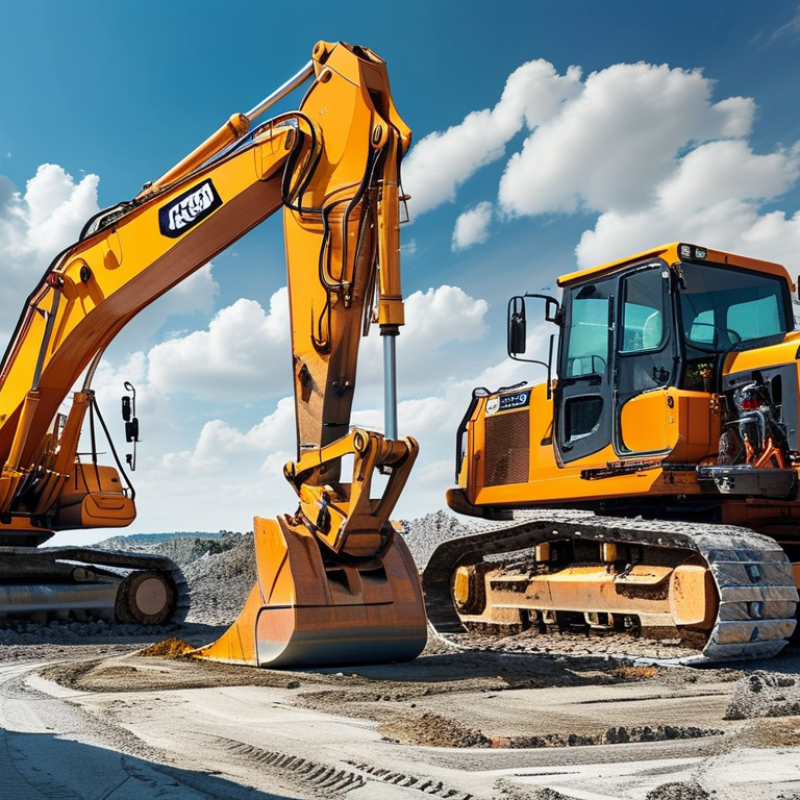
Understand the Main Differences Between PC200-7 and PC300-8
The main difference between PC200-7 and PC300-8 is working size, not simply the model number. PC300-8 is generally heavier, with greater digging force and a larger bucket capacity. It suits deep excavation, quarry loading, and large foundation work. PC200-7 is more compact and easier to move between smaller sites. Its lower operating weight can reduce transport planning and ground pressure. That matters.
In practical use, compare hydraulic response, fuel consumption, undercarriage condition, and available attachments. A well-maintained PC200-7 may outperform a neglected PC300-8 on a tight urban project. I have seen operators choose the larger machine, then lose time because access roads could not handle its width.
Measure twice. Check the identification plate, service records, pump condition, and actual bucket size before deciding. Production figures also depend on soil, operator skill, haul distance, and cycle time.
Published specifications are useful, but they cannot show every machine’s working history. This is where buyers sometimes make a poor assumption. PC300-8 may deliver more output, yet its operating cost and transport requirements can rise quickly.
PC200-7 may offer better control in confined spaces, although its cycle speed can feel limited during heavy loading. Compare both machines under the same job conditions, preferably with a short working test. Inspect carefully.
Compare Excavator Size, Power, and Operating Performance
Choosing between a PC200-7 and a PC300-8 starts with the work, not the model number. The PC200-7 is generally easier to transport and suits medium excavation, drainage, and foundation tasks. Its smaller working envelope can reduce ground disturbance on confined sites. The PC300-8 offers greater operating weight, reach, and bucket capacity. It is better suited to deep cuts, heavy rock, and large-scale earthmoving.
Power affects more than digging force. A larger excavator can fill a bigger bucket, but it also needs more fuel and stronger haulage support. On soft ground, its extra weight may create ruts or require temporary access roads. The PC200-7 may cycle efficiently in narrow spaces. However, it can lose productivity when the material is dense or the trench is unusually deep. Measure the soil conditions carefully.
Operating performance also depends on the hydraulic response, attachment, operator skill, and maintenance history. During site checks, watch the boom movement, swing smoothness, and recovery after a heavy lift. Slow functions may indicate wear, not simply a smaller machine. My first comparison was too simple. I focused on rated power and ignored transport limits. That judgment was incomplete. Review service records, inspect pins and hoses, and compare actual cycle times under similar loads. Choose the machine that keeps trucks moving without forcing the operator or ground conditions beyond safe limits.
5 Tips for Choosing PC200-7 or PC300-8? – Compare Excavator Size, Power, and Operating Performance
| Comparison Point | PC200-7 Class | PC300-8 Class | Practical Selection Tip |
| 1. Operating weight | Approximately 19,800 kg | Approximately 24,300 kg | Choose the lighter class for easier transport and work in restricted areas. Choose the heavier class when stability and lifting capacity are priorities. |
| 2. Engine net power | Approximately 110 kW | Approximately 140 kW | The larger class provides more power for deep excavation, heavy loading, rock handling, and demanding cycle conditions. |
| 3. Typical bucket capacity | Approximately 0.80 m³ | Approximately 1.20 m³ | Use the smaller bucket for utility trenches and precise earthwork. Use the larger bucket for higher production in bulk soil and aggregate handling. |
| 4. Maximum digging depth | Approximately 6,620 mm | Approximately 7,380 mm | Select the larger class when the project requires deeper foundations, drainage channels, or extensive below-grade excavation. |
| 5. Maximum digging reach at ground level | Approximately 9,875 mm | Approximately 10,100 mm | The larger machine offers a modest reach advantage, but attachment choice and boom-arm configuration should also be checked. |
| Travel speed range | Approximately 3.0 / 5.5 km/h | Approximately 3.0 / 5.5 km/h | Neither machine is intended for long-distance travel. Plan for low-bed transport between separate work areas. |
| Ground pressure | Approximately 41.8 kPa | Approximately 51.7 kPa | The PC200-7 class is generally better suited to softer ground, landscaped areas, and sites where surface impact must be limited. |
| Best-fit applications | Utility work, road maintenance, general excavation, site preparation, and medium-scale construction | Bulk excavation, quarry-related work, major foundations, heavy loading, and large infrastructure projects | Match the machine class to the average workload rather than selecting solely by maximum digging force. |
| Fuel and transport considerations | Typically lower fuel demand and easier hauling requirements | Typically higher fuel demand and greater transport weight | For frequent relocation or lower daily production requirements, the smaller class can provide better operating economy. |
Note: Specifications are representative values for standard configurations and may vary with boom length, arm length, bucket type, track width, counterweight, working equipment, and regional configuration.
Evaluate Fuel Use, Maintenance Needs, and Replacement Parts
Choosing between PC200 7 and PC300 8 requires more than comparing operating weight. Fuel use, maintenance access, and replacement-part availability can change your real cost quickly. The U.S. EPA NONROAD emissions model links diesel consumption to engine power, load factor, and operating hours. Therefore, published fuel figures are only starting points. A heavily loaded PC200 7 may consume more fuel per hour than a lightly loaded PC300 8.
Tip 1: Record fuel use for 100 operating hours. Separate digging, loading, and idling. Tip 2: Check hydraulic hose routing, filter access, and service intervals. Small access problems become expensive during winter maintenance. EquipmentWatch’s 2024 Cost Recovery Report identifies repair and maintenance as major ownership-cost categories. That supports a practical inspection before purchase. I would not trust a clean exterior alone.
Tip 3: Ask local parts suppliers about delivery times and stock depth. A low-cost filter is useless if it arrives after a week. Tip 4: Compare undercarriage prices, not only engine parts. Tip 5: Review maintenance records for cooling-system work and hydraulic contamination. The U.S. Department of Energy notes that unnecessary idling wastes fuel without producing useful work. This matters on congested sites. My imperfect rule is simple: choose the machine with predictable support, not merely the larger bucket.
Choose Based on Budget, Availability, and Long-Term Value
Choosing between a PC200-7 and a PC300-8 starts with your actual budget, not the machine’s size. Purchase price is only one part of the calculation. Check transport costs, insurance, attachments, fuel use, and expected repairs. A lower-priced unit may need hydraulic hoses, undercarriage work, or new filters soon after delivery. That surprise can hurt cash flow.
Availability also affects the decision. A nearby PC200-7 may be more practical than a distant PC300-8 with uncertain parts support. Ask for maintenance records, operating hours, inspection photos, and recent oil analysis. Check the boom, arm, final drives, tracks, and hydraulic response in person. Cold starts reveal more than polished paint. If possible, bring an independent technician. My first equipment estimate was too optimistic because I ignored delivery delays and attachment costs.
Long-term value depends on workload. The PC200-7 can suit roadwork, drainage, landscaping, and smaller excavation projects. The PC300-8 may deliver stronger production on large earthmoving sites, but it demands more fuel, space, and capital. Compare hourly output against your real contracts, not ideal targets. A larger excavator can sit idle while a smaller one earns daily income. Review local resale demand and parts availability before signing. Keep a repair reserve, even when the inspection looks excellent. No inspection catches everything.