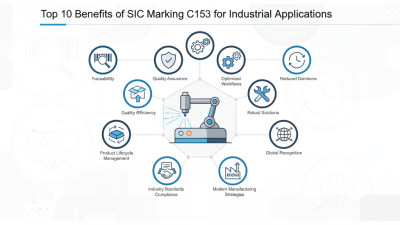
2026 Top SIC Marking Manual for Global Buyers

Choosing an industrial marking system involves more than comparing machine prices. Global buyers must assess traceability, material compatibility, production speed, service access, and long-term operating costs. The 2026 Top SIC Marking Manual for Global Buyers introduces these decisions in practical terms, with attention to laser, dot peen, and scribing technologies.

Details matter. A stainless-steel valve may need a deep, permanent mark, while an anodized aluminum panel may require controlled laser contrast. Surface hardness, line speed, marking depth, and available installation space can change the correct solution. This sic marking manual explains how to compare these factors before requesting quotations or approving equipment.

Real purchasing conditions are rarely perfect. Product samples may differ from production parts. Supplier specifications may also leave important questions unanswered. Buyers should therefore test representative materials, review sample photographs, and confirm results with qualified technical teams. That step can reveal unexpected glare, vibration, readability, or maintenance issues.

The guide also considers software integration, data validation, operator training, spare parts, and after-sales support. These details often determine whether a marking system performs reliably after installation. Regional electrical requirements and workplace expectations should be verified with local professionals. No general guide replaces an on-site assessment. That limitation matters.

By combining technical evaluation with practical procurement discipline, this resource helps manufacturers make clearer decisions. It is designed for automotive, aerospace, medical, electronics, and general industrial applications. Recommendations should still be adjusted to each factory’s materials, workflow, quality system, and budget. A careful buyer leaves room for testing, revision, and honest uncertainty.

2026 Top SIC Marking Manual for Global Buyers

What SIC Marking Is and Where Its Systems Are Used

SIC marking refers to permanent industrial identification applied directly to a component or finished product. Systems may use dot peen, scribing, laser, or electrochemical methods. The purpose is practical: preserve serial numbers, batch codes, dates, and traceability data through handling, heat, oil, and abrasion. A clear mark helps technicians match a part with inspection records and production history. It is not merely decoration.

The systems appear across automotive, aerospace, medical-device, electronics, energy, and general metal fabrication plants. Automotive lines often mark engine blocks, chassis parts, and safety components. Aerospace suppliers may identify turbine parts and structural assemblies, where shallow or inconsistent marking can create inspection concerns. Medical production requires controlled contrast and careful surface protection. Electronics factories usually need smaller marks on housings and connectors. According to Grand View Research’s Industrial Marking Machines Market report, demand is expected to grow steadily through 2030, supported by automation and traceability requirements. MarketsandMarkets also links industrial identification demand with connected manufacturing and production-data integration.

Material choice changes everything. A deep mark suits steel, but may weaken thin aluminum. A laser can produce fine detail, yet reflective surfaces need careful parameter control. The perfect setting rarely exists. Buyers should test real parts, not sample plates. ISO 9001-based quality systems emphasize controlled identification and records, but marking alone cannot prove product quality. Poor contrast, misplaced codes, and unverified data still occur. Human review remains useful, especially during commissioning and changeovers.

Key Machine Types, Marking Methods, and Application Differences

2026 Top SIC Marking Manual for Global Buyers

Key Machine Types, Marking Methods, and Application Differences

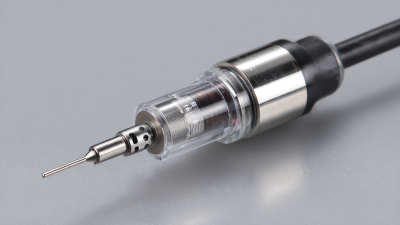
Choosing a marking machine starts with the material, surface, and required permanence. Manual dot peen machines use a carbide pin to create a sequence of controlled dots. They suit steel plates, tools, and large components where readable depth matters. Scribe marking drags a stylus across the surface, producing quiet, continuous lines. It works well on painted or machined parts, but uneven surfaces can reduce consistency.

Laser marking offers high contrast without physical contact. It is suitable for plastics, aluminum, stainless steel, and delicate electronic housings. Fiber laser systems often handle bare metals, while other laser sources suit coated materials or organic surfaces. The marking method changes with the application. Automotive parts may need deep identification that survives abrasion. Medical components usually require clean, low-stress marks and careful process validation. Packaging often needs speed more than depth.

Surface testing matters.

A reliable buyer should compare marking speed, character size, fixture design, software controls, and maintenance access. Ask for sample marks using your actual material and finish. Catalog specifications can look precise, yet production results may differ. I have seen clear marks fail after oil exposure or repeated cleaning. That is an easy detail to underestimate. Operators also need training, especially when adjusting pressure, focus, or marking frequency. A practical decision balances permanence, readability, production volume, and total operating cost rather than choosing the most powerful machine.

How to Evaluate SIC Marking Equipment for Global Purchasing

When evaluating SIC marking equipment for global purchasing, start with the application, not the machine price. Define the material, surface finish, marking depth, line speed, and expected duty cycle. Permanent traceability matters in automotive, electronics, aerospace, and industrial components. Grand View Research’s 2024 analysis indicates that the industrial marking machines market should grow at a mid-single-digit CAGR through 2030. MarketsandMarkets also identifies automation and product traceability as major demand drivers. These trends favor equipment that connects reliably with production software and inspection systems.

Ask suppliers for measured samples using your actual parts. Check contrast after oil exposure, abrasion testing, heat cycles, and repeated cleaning. A clear mark in a showroom proves little. Confirm language options, electrical standards, safety documentation, spare-part availability, and remote service coverage for every target country. Total cost includes fixtures, ventilation, software updates, training, and downtime. I have seen low quotations become expensive after custom integration. That risk is easy to underestimate.

Tips: Build a weighted scorecard before requesting quotations. Give separate scores for marking quality, cycle time, integration, operator training, warranty response, and five-year operating cost. Request test data, not only photographs. Allow local technicians to inspect the installation plan. A practical trial often reveals alignment problems, unstable fixturing, or unreadable marks. Some buyers also overlook maintenance access. That mistake can delay production. Use independent test standards where possible, and record every acceptance condition in the purchase contract.

Installation, Operation, Maintenance, and Safety Requirements

2026 Top Manual Marking Guide for Global Buyers

Installation begins with the work area, not the machine. Place the unit on a rigid, level bench with clear access around moving parts. Keep cables away from heat, coolant, and sharp edges. Verify the power rating before connection. A trained technician should inspect grounding, guards, and emergency controls. Do not rely on appearance alone.

During operation, secure each workpiece firmly and confirm the marking depth on a test piece. Use protective eyewear when debris or bright surfaces may create hazards. Keep hands outside the marking zone, even during short adjustments. Operators should record settings, material type, serial references, and unusual vibration. Small records prevent large mistakes. Ventilation may be necessary when marking coated materials, depending on the process and site conditions.

Maintenance should follow the equipment manual and a written inspection schedule. Clean dust from guides and fixtures after each shift. Check fasteners, cables, tool wear, and alignment every week. Isolate energy before servicing, then verify that movement has stopped. Replacement parts must match the specified dimensions and ratings. In my experience, rushed cleaning causes more alignment problems than heavy use. That assumption can be wrong, so inspect evidence instead of guessing. Buyers should request training records, maintenance intervals, safety documentation, and language-appropriate instructions from suppliers. A practical acceptance test should include repeatability, readable marks, noise, and operator access. Performance claims mean little without these checks.

International Standards, Supplier Checks, Costs, and After-Sales Support

2026 Top SIC Marking Manual for Global Buyers

International Standards, Supplier Checks, Costs, and After-Sales Support

Global buyers should treat manual marking equipment as a traceability investment, not a simple workshop tool. The machine should support clear, permanent identification on the required materials. Check compatibility with ISO 9001 quality procedures, ISO 12100 risk assessment, and IEC 60204-1 electrical safety requirements. These standards do not replace local compliance checks. They create a useful technical baseline.

Supplier verification needs evidence. Request recent test samples, calibration records, electrical documents, spare-parts lists, and operator training plans. The ISO Survey 2022 reported more than 1.26 million ISO 9001 certificates worldwide. Certification helps, but it does not prove every machine performs consistently. Ask for measurable results. Confirm marking depth, character accuracy, noise levels, cycle time, and performance after repeated use. Small gaps matter.

Cost calculations should include more than the purchase price. Add tooling, fixtures, consumables, shipping, installation, training, software updates, and downtime. Deloitte’s 2024 Smart Manufacturing and Operations Survey found that 86% of manufacturers expect smart manufacturing to improve competitiveness within five years. Manual systems still need reliable data handling. After-sales support should include response targets, remote diagnostics, local service capacity, and documented repair procedures. A phone number is not a service plan.

One practical warning remains: buyers often accept impressive sample marks without testing their own curved, oily, or uneven parts. That shortcut can become expensive.

+1 450 449 9133
Contact us sale@rhythmachine.com