The 2026 market for Flavored Air Pen products is becoming more selective, practical, and quality-driven. Global buyers now examine more than attractive flavors and compact designs. They compare ingredient transparency, device materials, battery safety, packaging accuracy, and supplier documentation. A polished appearance is not enough. It may hide weak testing or unclear product claims.
Professor Charles Spence, a leading sensory-perception researcher at Oxford, states, “We eat with all our senses.” His observation helps explain why aroma intensity, mouthfeel, airflow, and visual design influence the user experience. For buyers, these details matter when evaluating fruit, mint, tea, botanical, or dessert-inspired profiles. A pleasant sample should remain consistent after repeated use. That is where many products still disappoint.
This guide reviews the top Flavored Air Pen types expected to attract global buyers in 2026. It considers disposable and rechargeable formats, single-flavor and multi-flavor systems, compact travel models, and professionally documented options. It also discusses responsible positioning, including non-nicotine designs, truthful labeling, and compliance with applicable market requirements. Regulations differ by country, and product teams must verify current rules independently.
Some comparisons remain imperfect. Flavor preference is personal. Laboratory results cannot fully predict everyday satisfaction. Even experienced buyers can overlook airflow noise, leaking aroma chambers, or difficult recycling instructions. Therefore, this overview combines technical checks with practical observations from product evaluation. The strongest choice is not always the most powerful device. It is the one that delivers a clear sensory experience, dependable construction, honest information, and responsible market support.
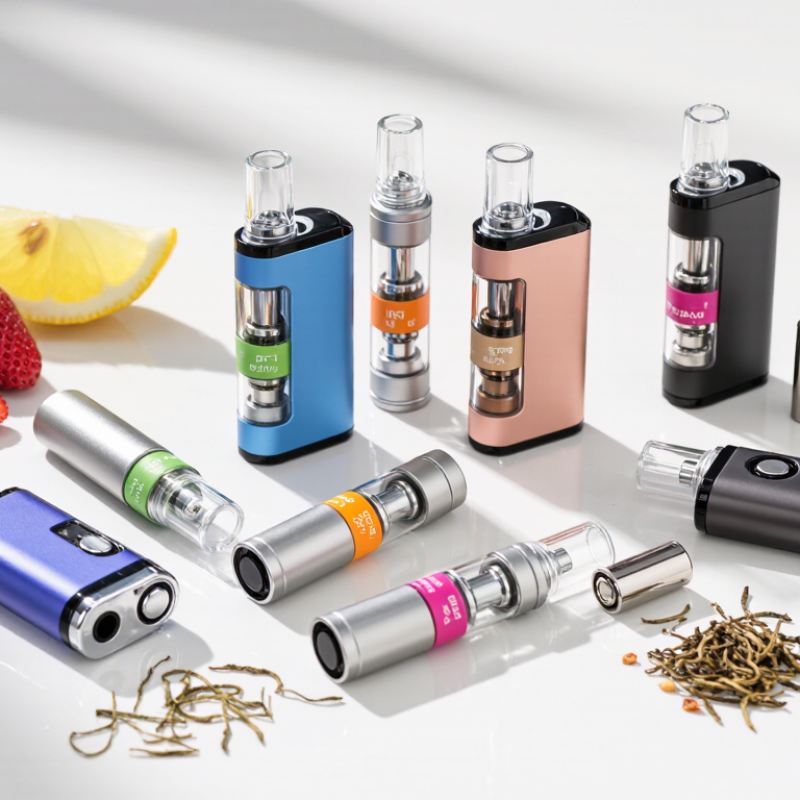
Flavored air pens are compact aroma devices designed to deliver a taste or scent through controlled airflow. They usually contain a mouthpiece, air channel, flavor chamber, and protective housing. When users inhale, air passes over a dry flavor element and carries its aroma forward. Most models do not heat liquid or create visible vapor. However, designs vary, so buyers should inspect the technical sheet carefully.
The global flavors and fragrances market reached about USD 36.75 billion in 2023, according to Grand View Research’s 2024 industry report. This growth supports wider interest in portable sensory products, including flavored air formats. Yet market size does not prove product safety or performance. Materials, airflow resistance, flavor stability, and cleaning instructions matter more during evaluation. A clear construction diagram is useful. So is independent testing. Small design details can change the user experience.
Tips: Check whether the flavor chamber is sealed and replaceable. Confirm that ingredients are listed clearly and comply with destination-market rules. Avoid health claims unless supported by appropriate evidence. Compare airflow data, not only flavor descriptions. In practical testing, some pens feel too dry, while others deliver weak flavor after repeated use. That inconsistency deserves more attention. Sampling under different temperatures may reveal it.
Main Air Pen Types Available to Global Buyers in 2026
Global buyers will find four main flavored air pen formats in 2026: disposable, rechargeable pod, refillable cartridge, and aroma-only inhaler designs. Disposable models use sealed chambers and require no charging. Rechargeable pods usually offer USB-C charging, adjustable airflow, and replaceable flavor cartridges. Refillable designs reduce packaging waste but require careful filling and cleaning. Aroma-only inhalers use scented air without tobacco, nicotine, or controlled substances. They fit wellness, hospitality, and promotional applications where local rules permit.
Market reports provide useful context, but not perfect product classification. Grand View Research estimated the global e-cigarette market at about US$26.7 billion in 2023, with projected double-digit growth through 2030. That figure covers broader vapor products, not flavored air pens alone. The distinction matters. Buyers should request laboratory test results, material declarations, battery safety documents, and clear ingredient lists. ISO 9001 production systems can support consistency, but certification alone does not prove product safety.
Small details matter. A 400 mAh battery may suit occasional users, while frequent users may need higher capacity. Mouthpiece shape affects comfort during repeated sampling. Flavor performance can also change after heat exposure. Some supplier claims remain difficult to verify. I would treat unusually high puff counts with caution. Regional packaging, age controls, advertising limits, and flavor restrictions vary widely in 2026. A compliant design in one market may require major changes elsewhere.
| Air Pen Type | Operating Method | Typical Flavor Format | Power and Charging | Typical Product Life | Main Buyer Advantages | Key Limitations | Global Compliance Considerations |
|---|---|---|---|---|---|---|---|
| Disposable Flavored Air Pen | Draw-activated heating or aerosol system with a prefilled liquid chamber. | Fruit, mint, menthol, beverage, dessert, and botanical-inspired profiles. | Built-in battery; normally not designed for recharging. | Single fill or single device cycle; actual duration depends on capacity and usage. | Simple user experience, low setup requirement, compact distribution format, and consistent factory filling. | Higher packaging and battery waste; limited customization; shipping restrictions may apply. | Check rules for nicotine content, age restrictions, advertising, product registration, waste handling, and cross-border transport. |
| Rechargeable Prefilled Pod Air Pen | A reusable battery device operates a replaceable prefilled pod or cartridge. | Standardized fruit, cooling, tobacco-style, beverage, and dessert flavor families. | Rechargeable lithium-ion battery, commonly charged through a wired connector. | Battery can support multiple pod replacements; pod life depends on fill volume and use. | Lower device replacement frequency, convenient cartridge replacement, and more predictable operating cost. | Requires a compatible pod supply; battery charging and connector quality affect user experience. | Confirm battery transport documents, electrical safety testing, liquid labeling, and local rules for flavored products. |
| Rechargeable Refillable Air Pen | A reusable battery powers a refillable tank or cartridge filled by the user. | Broad flavor selection, including fruit, mint, spice, beverage, and custom blended profiles. | Rechargeable battery; charging method varies by device design. | Reusable body; coil, wick, seal, or cartridge components require periodic replacement. | High flavor flexibility, reduced disposable-device waste, and suitability for experienced users. | More maintenance, possible leakage if handled incorrectly, and greater need for user instructions. | Ingredient disclosure, child-resistant packaging, nicotine controls, battery safety, and consumer instructions may be required. |
| Nicotine-Free Flavored Air Pen | May use a disposable or rechargeable format to deliver flavor without nicotine. | Mint, fruit, citrus, tea, coffee, botanical, and other food-flavor-inspired profiles. | Disposable or rechargeable, depending on the product architecture. | Varies by battery design, liquid or aroma capacity, and user draw frequency. | Suitable for buyers seeking a flavor-focused product without intentionally added nicotine. | Nicotine-free status must be verified through formulation controls and laboratory testing; regulations can still apply. | Do not assume nicotine-free products are unregulated; review inhalation-safety requirements, claims, labeling, and market-specific definitions. |
| Aroma-Based Inhalation Pen | Designed to release a scented or flavored aroma, generally without a conventional nicotine aerosol formulation. | Essential-oil-inspired, mint, citrus, fruit, floral, and herbal aroma profiles. | May be battery-free, disposable, or rechargeable depending on the release mechanism. | Determined by aroma material capacity and the durability of the release component. | Lightweight format and clear sensory positioning for buyers targeting non-nicotine aroma products. | Inhalation suitability of every ingredient must be assessed; essential oils are not automatically safe to inhale. | Avoid medical or therapeutic claims unless authorized; verify ingredient safety, labeling, cosmetics or consumer-product classification, and import rules. |
| High-Capacity Rechargeable Air Pen | A larger rechargeable battery and higher-capacity pod or tank support extended use. | Longer-lasting versions of fruit, cooling, beverage, dessert, and botanical flavor profiles. | Rechargeable lithium-ion battery; capacity and charging specifications must be declared accurately. | Reusable device with fewer charging intervals; consumable components still require replacement. | Longer operating intervals, fewer replacement devices, and improved suitability for regular adult users where permitted. | Larger size, higher battery energy content, and more demanding transport, storage, and safety requirements. | Review lithium-battery testing, transport classification, charging protection, packaging, liquid capacity limits, and local market authorization. |
| Heat-Not-Burn Flavored Stick or Capsule System | A controlled heating element warms a specially designed consumable rather than using open combustion. | Menthol, mint, fruit, spice, and other capsule or consumable flavor options where legally available. | Usually uses a rechargeable electronic heating unit. | Reusable heating unit with single-use or limited-use consumables. | Distinct heating format, controlled operating cycle, and consistent consumable dimensions. | Requires dedicated consumables; product classification and flavor restrictions vary significantly by country. | Check whether the product is regulated as a tobacco, nicotine, novel, or electronic product; verify authorization before import or sale. |
Note: Product definitions, flavor permissions, nicotine rules, age requirements, advertising restrictions, tax treatment, and import documentation vary by destination market. Buyers should complete country-specific regulatory and product-safety checks before commercial purchase.
Flavor systems shape the experience more than appearance or battery size. Some air pens use pre-mixed flavor chambers, while others use replaceable aroma cartridges. Pre-mixed designs offer consistent taste, but their flavor may fade after repeated use. Adjustable systems provide more control, although beginners may find the settings confusing.
Ingredients require careful technical review. Food-grade flavoring does not automatically mean suitable for inhalation. Responsible buyers should check ingredient disclosure, manufacturing controls, allergen statements, and testing documents. Cooling agents can create a sharp, mint-like sensation, while fruit notes often feel softer and sweeter. The same formula may taste different through warm or cool airflow. It depends.
User experience also depends on airflow resistance, mouthpiece shape, vapor density, and flavor persistence. A loose draw can feel natural, but it may reduce flavor concentration. A tighter draw can improve definition and warmth. Some users prefer a clear finish; others want a lingering taste. Personal preference remains difficult to measure.
Global purchasing adds another layer of uncertainty. Product descriptions may translate flavor intensity poorly across markets. Regulations, labeling rules, and permitted ingredients also differ by country. I would not judge quality from flavor strength alone. A milder profile can reflect better balance, not weaker performance. Product testers should record temperature, draw duration, and flavor changes over time. Their notes may still be imperfect, but transparent testing is more useful than attractive claims.
Flavored air pens usually fall into three formats: closed pods, refillable pods, and single-use devices. Their legal status differs sharply by market. Buyers should verify nicotine limits, ingredient rules, labeling, packaging, and battery transport requirements before choosing a format. In the European Union, Directive 2014/40/EU limits nicotine liquid to 20 mg/mL and cartridges to 2 mL. Refill containers may hold up to 10 mL. Products also require health warnings and market notification.
Regional demand remains closely linked to flavor preferences, but safety concerns are shaping purchasing decisions. The CDC’s 2023 National Youth Tobacco Survey recorded 2.13 million current student e-cigarette users in the United States; 89.4% reported using flavored products. That figure explains why several jurisdictions restrict characterizing flavors. The United Kingdom also prohibited single-use vapes from June 2025, making reusable designs more practical for compliant buyers. Rules change quickly.
Battery controls deserve equal attention. IEC 62133-2 testing, UN 38.3 transport documentation, child-resistant packaging, and RoHS or REACH evidence can reduce supply-chain risks. WHO’s 2023 global tobacco report estimated 1.3 billion tobacco users worldwide, but it does not make every emerging device safe. A polished certificate can still hide weak traceability. Buyers should request batch records, laboratory reports, and disposal instructions. The difficult part is consistency. A product may satisfy one region and fail another. Legal review remains necessary.
Global buyers should compare flavored air pens by design, documentation, and total landed cost. Grand View Research reported that the global e-cigarette market reached about USD 28.2 billion in 2023. This figure shows strong demand for inhalation devices, but it does not prove every product is compliant or safe.
Disposable air pens offer simple handling and low initial cost. They suit sampling campaigns and short-term retail tests. However, waste volume and inconsistent battery performance can raise concerns.
Refillable cartridge pens reduce packaging waste and support more flavor variations. They need stronger leak testing, reliable seals, and clear instructions.
Rechargeable models usually provide better long-term value, but buyers must check charging protection and transport documents.
Ask suppliers for ingredient specifications, laboratory test reports, and batch traceability. Flavors should be assessed for inhalation suitability, not only food use. The U.S. National Institute for Occupational Safety and Health emphasizes exposure control and documented chemical information in workplace settings. Requirements also differ across customs territories.
Review labeling, battery rules, recycling duties, and age restrictions before placing an order. A small sample may perform well, yet a full shipment can reveal leakage or color changes. That weakness matters.
Compare at least three production batches, test pens at different temperatures, and record airflow, odor stability, charging time, and packaging damage. Sourcing decisions become more reliable when price is only one measured factor.